Professional duct cleaning to AS 3666 standards — improving air quality, system efficiency and compliance across Melbourne & Victoria.
Commercial air duct and HVAC cleaning is the professional removal of dust, debris, mould, bacteria and contaminants from your building's air handling and distribution systems — including supply ducts, return ducts, air handling units (AHUs), diffusers, grilles and coils.
In commercial kitchens, ducting carries not just air but also grease-laden vapours. Over time, grease, carbon and biological contaminants accumulate inside duct walls, creating fire hazards, reducing system efficiency, and circulating polluted air throughout your premises.
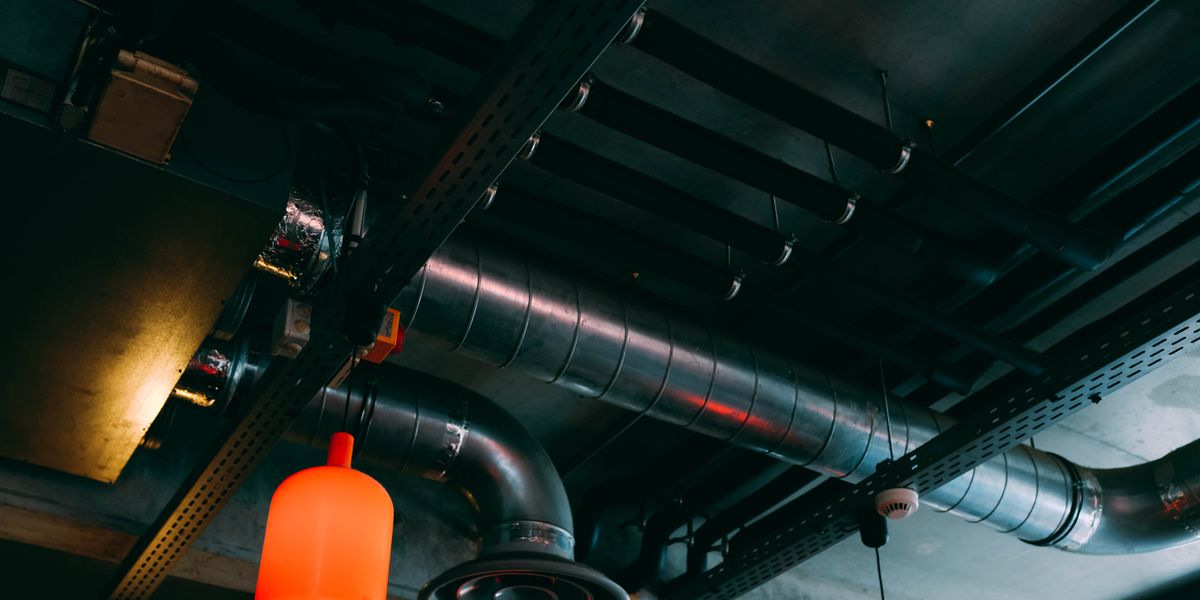
Video inspection of accessible duct runs to assess contamination levels and identify any structural issues before cleaning commences.
High-powered rotary brushing and compressed air agitation to dislodge accumulated deposits from duct walls.
Industrial HEPA-grade negative air machines capture dislodged contaminants — nothing is released back into your premises.
Cleaning of air handling unit internals including evaporator coils, drain pans and blower assemblies for maximum efficiency.
Removal, cleaning and reinstallation of all supply and return air grilles and diffusers.
Photographic and/or video documentation of conditions before and after the clean, with a written service report.
Unclean HVAC ductwork is a recognised source of Legionella, mould and other airborne pathogens — with significant legal consequences for building owners.
The primary Australian standard for HVAC maintenance is AS 3666, which covers both design (Part 1) and operations and maintenance (Part 2). Key requirements include:
In Victoria, the Public Health and Wellbeing Act 2008 places obligations on building owners and operators to maintain premises in a way that does not endanger public health. Contaminated HVAC systems that spread mould, bacteria or Legionella can trigger enforcement action from the Department of Health.
Under the Occupational Health and Safety Act 2004 (Vic), employers must provide a safe working environment. Poor indoor air quality from dirty duct systems constitutes a workplace hazard. WorkSafe Victoria can issue improvement notices and fines to businesses where HVAC maintenance is neglected.
Section J of the NCC mandates minimum energy efficiency standards for HVAC systems. Blocked or dirty ducts reduce system efficiency and can cause your building to fall below required performance thresholds — potentially affecting your building's energy rating and tenancy compliance.
Commercial kitchens, food manufacturing, hospitals, aged care
Offices, retail, restaurants, schools, hotels
Low-occupancy commercial buildings, warehouses, storage
Post-renovation, post-water damage, post-pest treatment
Sick Building Syndrome (SBS) causes occupants to experience headaches, fatigue, eye and throat irritation — symptoms that disappear when they leave the building. In Australia, contaminated HVAC ductwork is identified as a primary cause. Professional duct cleaning has been shown to significantly reduce SBS symptoms in affected buildings.
A 1mm layer of dust on HVAC coils reduces heat transfer efficiency by up to 21%. Blocked ducts force fans to run harder and longer to maintain set temperatures. Regular duct cleaning is one of the highest-ROI maintenance activities for commercial buildings — typically saving 15–30% on HVAC running costs.
Legionella bacteria thrive in stagnant water and biofilm inside cooling towers and air handling units. The 2020 Australian outbreak linked to hotel HVAC systems resulted in hospitalisations and significant legal action against building operators. Regular cleaning and testing is your legal and moral obligation.